Implant Continuum
A six-weekend residency in implant dentistry, taught by UCLA-trained faculty. You work with real patients and learn the whole process, from treatment planning through surgery to the final restoration. No prior implant experience needed.
In this residency you treat real implant patients, with experienced faculty guiding each case.
Welcome to the Residency
Many dentists take a weekend implant course and still do not feel ready to place an implant once they are back in the office.
What helps is doing the work on real patients, enough times, with experienced faculty beside you. That is how this residency is built.
Four faculty work with a group of nine operating residents, so everyone gets real attention and real time in the chair. We photograph and document every case, and the whole group reviews them together each session, so you learn from your own work and from everyone else’s.
Because the residency runs one weekend a month for six months, you follow your own cases over time. You see how a graft heals, whether the bone responded the way you planned, and how the implant restores at the end.
From the first treatment plan to the final restoration, the residency covers the whole process on the Nobel Biocare system. By the end, you should be comfortable taking on implant cases in your own practice.
Dr. Joan Pi-Anfruns & Dr. Richard G. Stevenson III
Six Modules, One Progressive Path
The residency runs one weekend a month over six months. Every participant is assigned a patient, so you do real implant work from the very first weekend. Our partnership with Nobel Biocare brings some of the most advanced implant systems and teaching methods in the field.
01Interdisciplinary Implant Dentistry
Module 1 sets up the surgical and prosthodontic principles behind implant treatment, and you start operating on the first weekend. You cover treatment planning, clinical anatomy, and reading radiographs and cone-beam (CBCT) scans, with lab work to build your skills.
Prosthodontic & surgical principles02Surgical & Restorative Procedures
You present your case for faculty review, then treat your patient. This module covers extraction sites and peri-implant soft tissue, with continued live-patient placements.
Live patient treatment begins03Advanced Surgical & Prosthodontic Protocols
This module goes deeper into grafting and biologics: sinus augmentation, ridge augmentation, growth factors, soft-tissue contouring, and custom impression copings.
Advanced techniques04Digital Dentistry in Implant Care
Module 4 covers the digital side of implant care: treatment planning, guided surgery, dynamic navigation, surgical templates, and CAD/CAM.
Guided & digital workflows05Preventing & Managing Complications
Module 5 is about implant complications — how to prevent the common ones, how to manage them when they occur, and when a patient should be referred.
Complication management06Putting It All Together
In the final module you present your best cases from the program, look at where implant dentistry is heading, take the final knowledge assessment, and receive your certificate.
Final cases & certificateFour Faculty, Nine Operating Seats
A deliberately low ratio. Every weekend is taught by active clinicians who place implants for a living. They plan each case with you and stay at your shoulder through live surgery.

Dr. Joan Pi-Anfruns
UCLA-trained implant surgeon with a surgical implant background spanning NYU and UCLA. Leads the surgical curriculum through live-patient planning, placement, and advanced bone grafting.
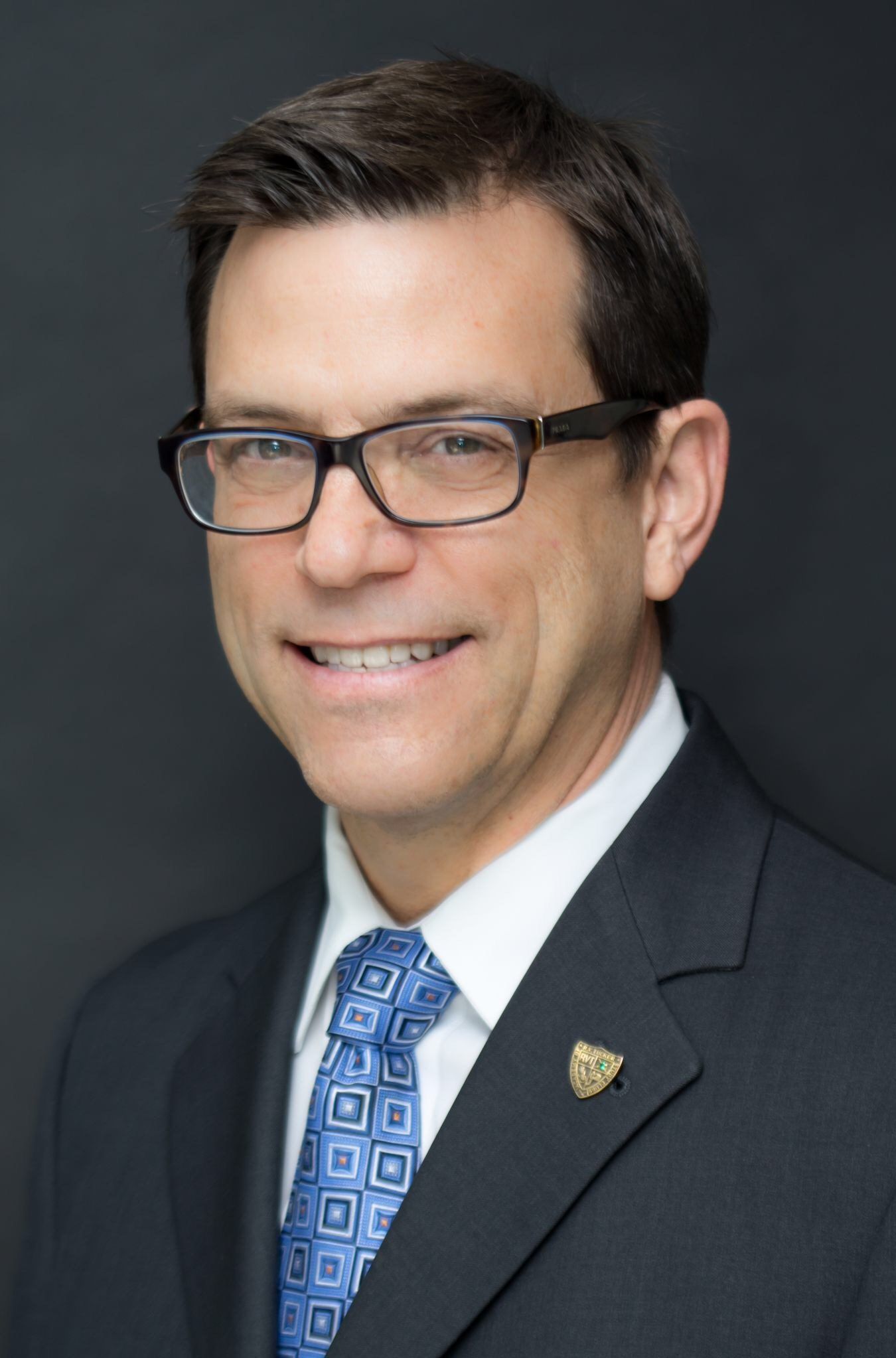
Dr. Richard G. Stevenson III
Seventeen years as Chair of Restorative Dentistry at UCLA. Oversees the continuum and anchors the restorative side of each live case.
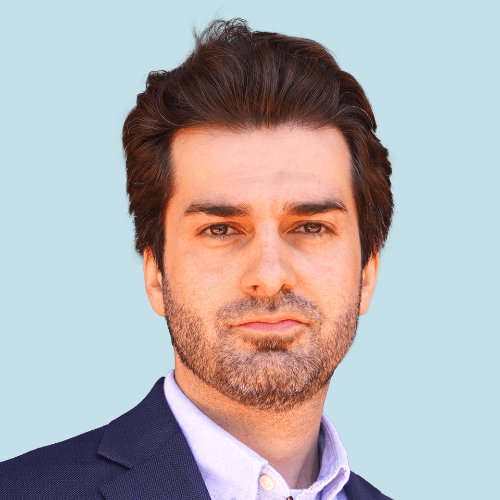
Dr. Muazz Zendaki
Restorative specialist with a postgraduate certificate from UCLA and oral surgery training from Cairo University. A veteran clinical educator in functional restorative dentistry.
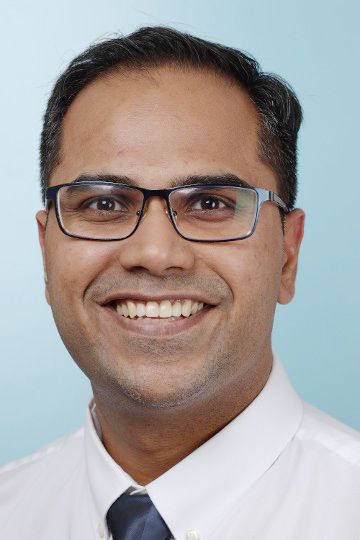
Dr. Mudit K. Yadav
Works alongside residents through the hands-on surgical modules, live-patient workshops, and clinical case documentation.
Two Cohorts a Year
The residency runs twice a year, in spring and in fall, with the same six modules. All sessions are held at the Stevenson Dental Education Center in San Dimas, California.
Requirements: a current California dental license and written proof of liability coverage are required for all operating seats.
Saturday and Sunday, 8:00 AM – 5:00 PM Pacific. Live patient surgery starts on the first weekend and continues through every module.
Frequently Asked
No. The program is built to take you from the fundamentals through advanced procedures. Module 1 sets the surgical and prosthodontic principles, and faculty guide you through every step before you treat a patient.
Operating residents place implants on live patients during the surgical sessions. Observing residents take part in all lab assignments and assist chairside on every procedure, but do not place implants themselves. Each cohort has nine operating seats and two observing seats.
Operating residents treat patients at the Stevenson Dental Education Center in San Dimas. State law requires a California dental license to provide patient care in California, and operating residents must also provide written proof of liability coverage.
Yes. Each session schedules several implant procedures: extractions, bone grafting, tissue grafting, implant placement, impressions, scanning, and final restoration delivery.
It depends on the cases scheduled and how you progress through the program, but operating residents have the opportunity to place and restore multiple implants over the six months.
Nobel Biocare, surgery through restoration, so the workflow you practice is the one you carry back to your own office.
108 CE credits through Stevenson Dental Education, recognized by ADA CERP and AGD PACE: 84 in Implants, 12 in Oral and Maxillofacial Surgery, and 12 in Oral Medicine, Oral Diagnosis, and Oral Pathology. You also receive a certificate of completion.
Secure Your Place
2027 cohort is open. Pick the dates that fit your year.
Questions about eligibility or licensing? We’re happy to help.
Contact the Team